
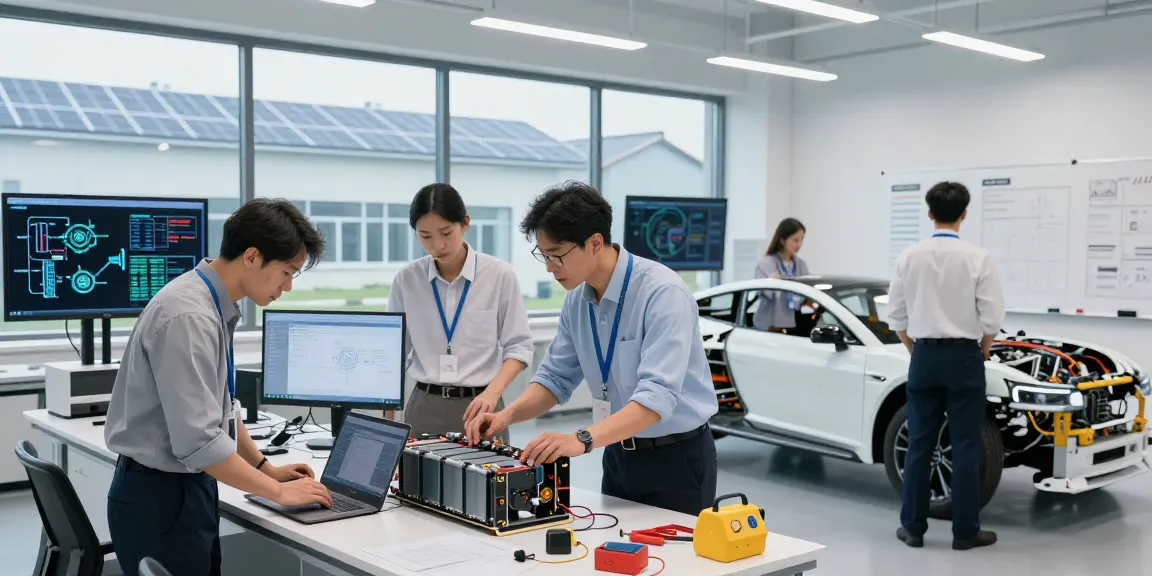
Understanding the Basics of EV Technology
Electric Vehicle (EV) technology represents a revolutionary step forward in the transportation industry, emphasizing sustainability, efficiency, and reduced environmental impact. With a growing global consciousness concerning climate change and fossil fuel dependency, EV technology has gained momentum, leading to significant advancements and increasing consumer interest. In essence, EV technology encompasses the various systems and components that power electric vehicles, including batteries, electric motors, and charging infrastructure. When exploring options, EV technology offers comprehensive insights into the future of transportation.
What is EV Technology?
At its core, EV technology revolves around vehicles that are powered primarily by electricity rather than conventional fossil fuels. This includes fully electric vehicles (Battery Electric Vehicles – BEVs) and hybrid electric vehicles (HEVs), which utilize both electric power and gasoline. The primary components that define EV technology include the battery systems responsible for energy storage, the electric motor that drives the vehicle, and the sophisticated technology that manages the distribution of power to ensure optimal performance.
Types of Electric Vehicles and Their Functions
There are several categories of electric vehicles, each designed to meet different consumer needs and preferences:
- Battery Electric Vehicles (BEVs): These vehicles run entirely on electric power, using large lithium-ion battery packs that can be charged from an external power source.
- Plug-in Hybrid Electric Vehicles (PHEVs): PHEVs combine an internal combustion engine with an electric motor, allowing drivers to use electric power for short distances before switching to gasoline for longer trips.
- Hybrid Electric Vehicles (HEVs): These vehicles use both electric and gasoline power but cannot be charged from an external source.
- Fuel Cell Electric Vehicles (FCEVs): FCEVs generate electricity through a chemical reaction between hydrogen and oxygen, producing water as the only emission.
A Brief History of Electric Vehicle Development
The development of electric vehicles dates back to the 19th century when innovators began experimenting with battery-powered transportation. However, it wasn’t until the late 20th century that technological advancements in battery efficiency and electric motor design sparked a renewed interest in EVs. The introduction of significant manufacturers into the market, coupled with a push towards sustainability in the 2000s, paved the way for the modern electric vehicle era, leading to the models we see today from companies like Tesla, Nissan, and Chevrolet.
Current Trends in EV Technology
Advancements in Battery Technology
One of the most critical aspects of EV technology is battery development, which has seen rapid advancements in recent years. The move towards solid-state batteries promises to enhance energy density, reduce charging times, and increase overall safety compared to traditional lithium-ion batteries. Research shows that solid-state batteries can potentially offer more than double the energy density of current batteries, which would significantly extend the range of electric vehicles.
Integration of Smart Technology in Electric Vehicles
Another trend shaping the future of EV technology is the integration of smart technology. Modern electric vehicles now come equipped with advanced software systems that optimize battery usage and integrate seamlessly with smart home technologies. Features such as over-the-air (OTA) updates, autonomous driving capabilities, and advanced driver-assistance systems (ADAS) are becoming commonplace, further enhancing the driving experience.
Charging Infrastructure and Its Evolution
The evolution of charging infrastructure plays a pivotal role in the adoption of electric vehicles. Charging stations are expanding in urban areas, along highways, and in residential neighborhoods. Innovations in fast-charging technology have enabled drivers to recharge their vehicles significantly quicker, with some chargers able to provide an 80% charge in just 30 minutes. Furthermore, emerging solutions like wireless charging and vehicle-to-grid technologies promise to revolutionize how we interact with power sources.
Challenges Facing EV Technology Adoption
High Initial Costs and Affordability Issues
Despite the advancements in EV technology and increasing public interest, one of the significant barriers to adoption remains the high initial costs associated with electric vehicles. While prices have gradually decreased, many consumers still find EVs more expensive compared to their gasoline counterparts, limiting widespread adoption. Financial incentives and tax breaks from governments can help alleviate this issue, but ongoing efforts are necessary to further reduce costs.
Range Anxiety and Battery Life Concerns
Range anxiety—the fear that an electric vehicle will run out of battery power before reaching a destination—is a common concern among potential EV buyers. Although improvements in battery technology have increased the range of many electric vehicles, consumers still worry about the lack of charging stations in remote areas and the potential for long wait times at public charging stations.
Insufficient Charging Stations
While the number of charging stations is growing, many regions still lack adequate infrastructure to support widespread electric vehicle use. In rural areas, the scarcity of charging points can deter potential buyers. Addressing these infrastructure challenges is crucial for increasing the adoption rate of electric vehicles.
Future Prospects of EV Technology
Emerging Technologies in Electric Vehicles
Looking forward, several emerging technologies are expected to shape the future of electric vehicles. Innovations in battery chemistry, like the transition to solid-state batteries and the exploration of aluminum-air batteries, could lead to significant enhancements in performance and efficiency. Additionally, the incorporation of artificial intelligence for real-time vehicle management and predictive maintenance is likely to enhance the overall user experience.
Impact of Government Policies on EV Adoption
Government policies and regulations will play a significant role in driving the adoption of electric vehicles. Incentives for EV purchases, stricter emissions regulations for traditional vehicles, and investments in charging infrastructure are crucial for promoting widespread electric vehicle adoption. As seen in various countries, stringent regulations may compel automakers to accelerate their transition towards electric vehicle production.
Market Predictions for 2026 and Beyond
Market analysts predict that the electric vehicle market will continue to grow exponentially, with estimates indicating that EV sales could account for 30% of total new vehicle sales by 2026. This growth will be driven by technological advancements, increasing consumer awareness, and supportive government policies. Major automotive companies are investing heavily in developing new electric models, making the future of EV technology brighter than ever.
Practical Applications of EV Technology
Real-World Use Cases and Success Stories
Electric vehicles are not just a theoretical concept; they are already making a significant impact in real-world applications. For instance, delivery services are increasingly utilizing electric vans to reduce operational costs and environmental impact. Companies like Amazon and UPS are investing in electric delivery fleet solutions, showcasing the practicality and efficiency of electric vehicles in commercial operations.
How Businesses are Adopting EV Technology
Many businesses are adopting electric vehicle technology as part of their corporate sustainability initiatives. By transitioning to electric fleets, companies can lower their carbon footprints, reduce fuel costs, and enhance their brand image as environmentally responsible organizations. Several cities have also introduced electric buses, further promoting the use of electric vehicles in public transportation.
Consumer Benefits of Transitioning to Electric Vehicles
For consumers, the benefits of switching to electric vehicles extend beyond environmental impact. Lower operating costs, thanks to reduced fuel expenses and lower maintenance costs, make EVs an economically attractive choice. Additionally, many electric vehicles come equipped with cutting-edge technology that enhances safety and driving pleasure, creating a compelling case for the shift towards electric mobility.