
Introduction to Site Engineering Setting Out in Essex
Setting out engineering is a critical component of the construction process that ensures that the designs and plans laid out by architects and engineers are accurately translated onto the ground. In Essex, where construction projects range from residential developments to large commercial undertakings, skilled setting out engineers are essential. They not only mark the precise locations of buildings and infrastructure but also ensure that these align with the predefined designs, which is vital for the integrity and success of any project. Understanding the nuances of site engineering setting out in Essex can lead to more efficient project completions and significantly reduce costly errors.
What is Site Engineering Setting Out?
Site engineering setting out involves the process of accurately marking the positions of proposed structures on a construction site based on engineering drawings and specifications. These engineers play a pivotal role in transforming design intricacies into physical reality by establishing reference points, lines, and levels. This process requires not only technical proficiency but also a deep understanding of the environment in which the construction is taking place.
When exploring options, Site Engineering Setting Out Essex plays a vital role in ensuring that all construction activities are based on precise measurements and that every element is placed in the correct location.
Importance of Accurate Setting Out in Construction
Accurate setting out is crucial for several reasons:
- Prevention of Errors: Any miscalculation in setting out can lead to significant structural issues, potentially resulting in costly rework or even safety hazards.
- Time Efficiency: Well-executed setting out saves time during construction by providing clear guidance to contractors on where structures should be positioned, reducing confusion and delays.
- Compliance with Regulations: Meeting local building codes and regulations is essential. Accurate setting out ensures that all dimensions and alignments are within prescribed limits.
Common Tools and Equipment Used
Setting out engineers employ various tools and equipment to achieve precise measurements:
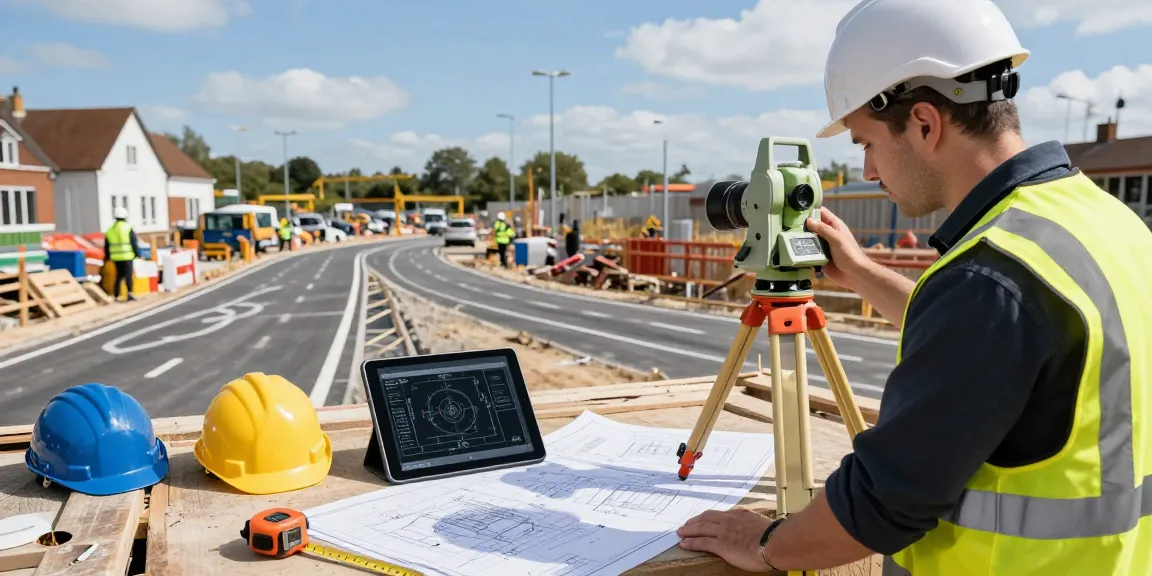
- Total Stations: These electronic/optical instruments combine the functions of an electronic theodolite for measuring angles and an electronic distance meter (EDM) to measure distances.
- Theodolites: Used for measuring horizontal and vertical angles, theodolites are essential for aligning and leveling structures accurately.
- Levels: Optical levels are used to establish and verify points in the same horizontal plane.
- GPS Technology: Global Positioning System devices ensure accurate positioning and can simplify the setting out process in larger sites.
Key Responsibilities of Setting Out Engineers
Positioning Structures and Layout Design
One of the primary responsibilities of a setting out engineer is to position structures according to the design specifications. This involves marking the exact locations for foundations, walls, and other critical features to ensure the overall design integrity. The precision with which these positions are established is paramount, as any slight misalignment can cascade into larger structural issues as construction progresses.
Verifying Dimensions and Levels
Setting out engineers also verify that all dimensions are accurate. This entails measuring distances and checking levels to confirm adherence to the design plans. Consistent checks are vital in ensuring that every part of the construction aligns with the original design, thereby facilitating smoother project progression.
Ensuring Quality Control on Site
Quality control is a critical aspect of a setting out engineer’s role. They must monitor the construction process to ensure that all work adheres to the planned specifications. This involves conducting regular site inspections and collaborating closely with the construction team to rectify any discrepancies promptly.
Challenges in Site Engineering Setting Out
Common Misconceptions About Setting Out
Many people believe setting out is merely a one-time task; however, it is an ongoing process that requires continuous adjustments and checks throughout the construction phase. This misconception can lead to significant issues if not addressed early on.
Overcoming Obstacles in Busy Construction Environments
Setting out engineers often work in high-pressure environments where time is of the essence. The bustling nature of construction sites can lead to distractions and errors. Setting out engineers must develop efficient strategies to maintain focus and accuracy, such as using clear markings and communicating effectively with the construction crew.
Dealing with Weather and Environmental Factors
Weather conditions can significantly impact the setting out process. Rain, wind, and temperature fluctuations may affect measurement tools and the physical conditions of the site. Engineers must be prepared to adapt their methods accordingly, ensuring that work can continue safely and accurately under varying conditions.
Best Practices for Effective Site Engineering Setting Out
Methodologies for Accurate Measurements
To achieve precise measurements, it is imperative to employ established methodologies. The use of triangulation and the 3-4-5 method—where measurements correspond to the sides of a right-angled triangle—are useful techniques in ensuring accurate layout configurations. Regular maintenance and calibration of instruments also contribute to sustained accuracy.
Utilising Technology in Site Engineering
Incorporating technology into the setting out process can significantly enhance accuracy and efficiency. Advanced software tools and applications allow for the integration of building information modeling (BIM) with actual site data, enabling engineers to visualize and correct discrepancies in real-time.
Collaborating with Other Professionals on Site
Collaboration is key within the construction environment. Setting out engineers must work closely with architects, contractors, and surveyors to ensure that every detail aligns with project goals. Regular communication helps to preemptively identify potential challenges and enables a unified approach to problem-solving.
The Future of Site Engineering Setting Out in Essex
Emerging Trends and Technologies for 2026
As we approach 2026, emerging technologies such as augmented reality (AR) and drones are set to transform the landscape of site engineering setting out. AR can provide engineers with a better understanding of how planned structures will integrate into the existing environment, while drones can expedite site surveys and enhance data collection.
Predictions for the Construction Industry
The construction industry is poised for significant advancements driven by these technologies. It is expected that setting out engineers will increasingly rely on data analytics and machine learning to enhance accuracy and efficiency in their workflows.
Preparing for Changes in Regulations and Standards
As construction regulations evolve, setting out engineers must stay informed about new compliance requirements. Continuous education and awareness of these changes will be essential to ensure that projects meet all necessary safety and quality standards.
How to Adapt to Future Challenges?
In a rapidly evolving industry, adaptability will be crucial. Setting out engineers should invest in ongoing training and embrace innovative tools and practices that can enhance their capabilities. Establishing a culture of openness to new technologies and methods will facilitate a smoother adaptation to future challenges.
